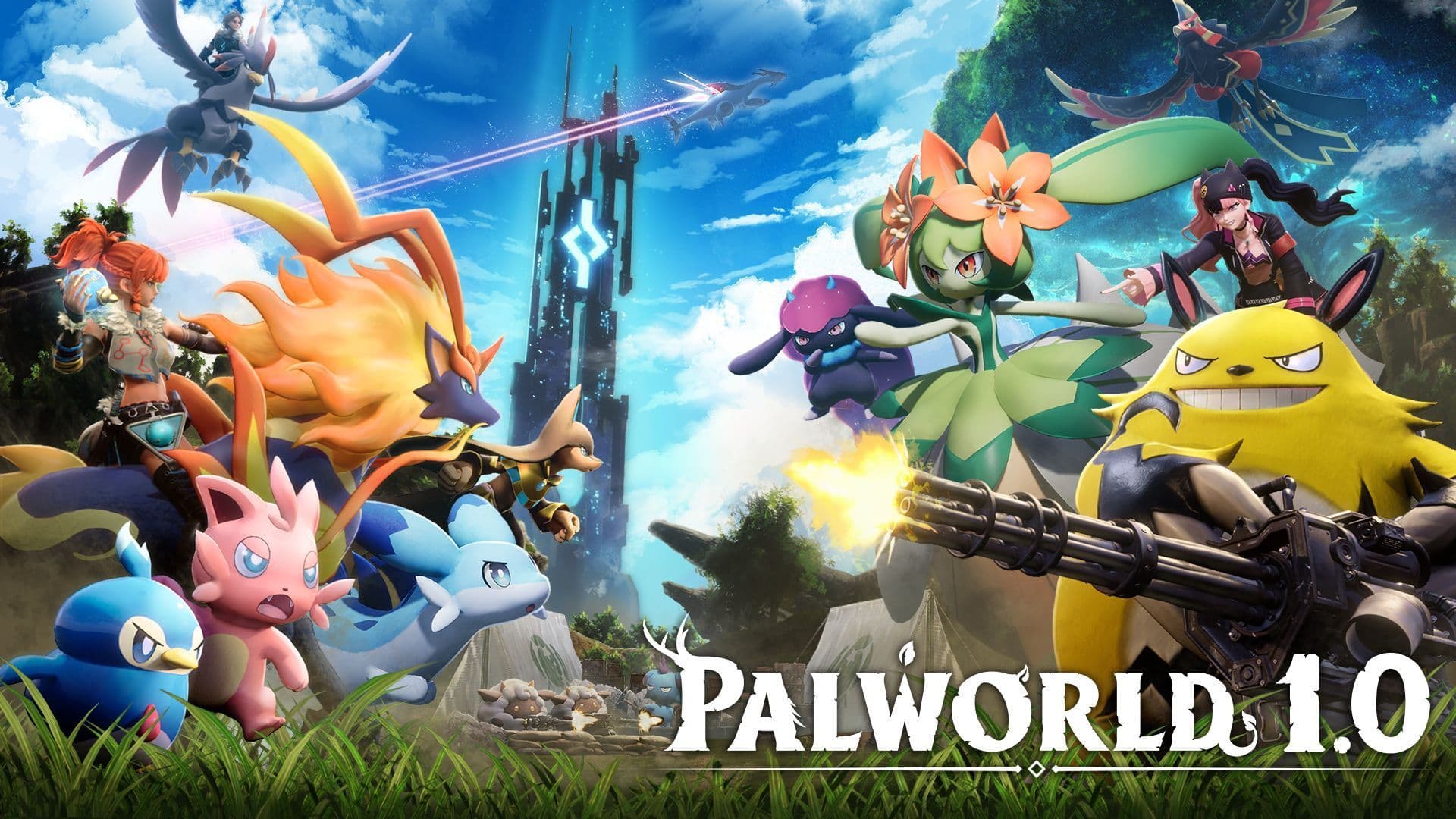
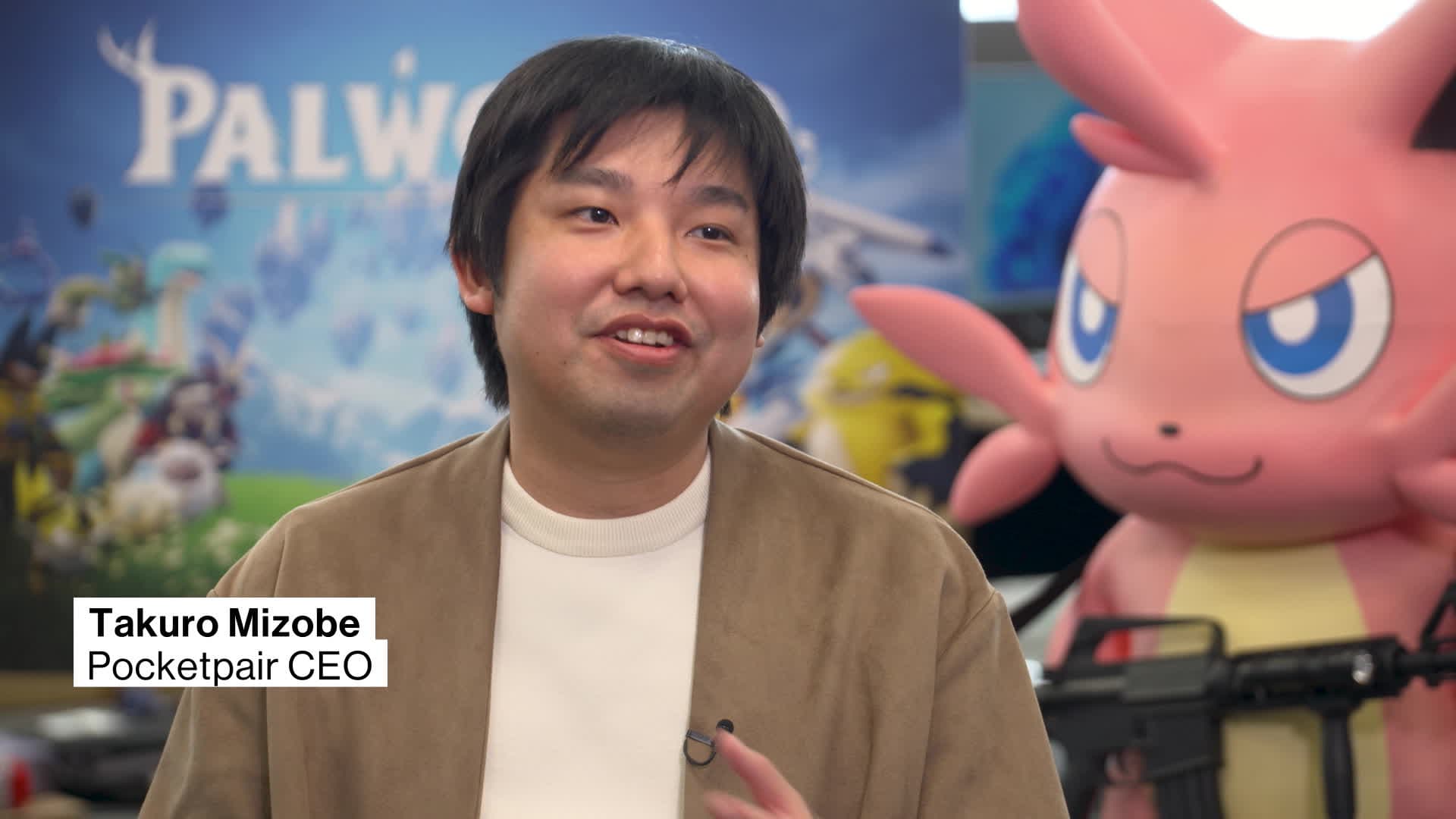
Pocketpair CEO Takuro Mizobe’s recent comments about Nintendo Switch 2 land differently once you know his history. In 2010, as a student at the Tokyo Institute of Technology, he took part in Nintendo’s Game Seminar, a one-year training program for aspiring creators. There he made his first game, The Tentai Show, a dual-screen shooter for the DS. Pocketpair’s company profile still lists “2010 Developed a game for Nintendo DS at a Nintendo Game Seminar,” and early team members included people he met through that program.
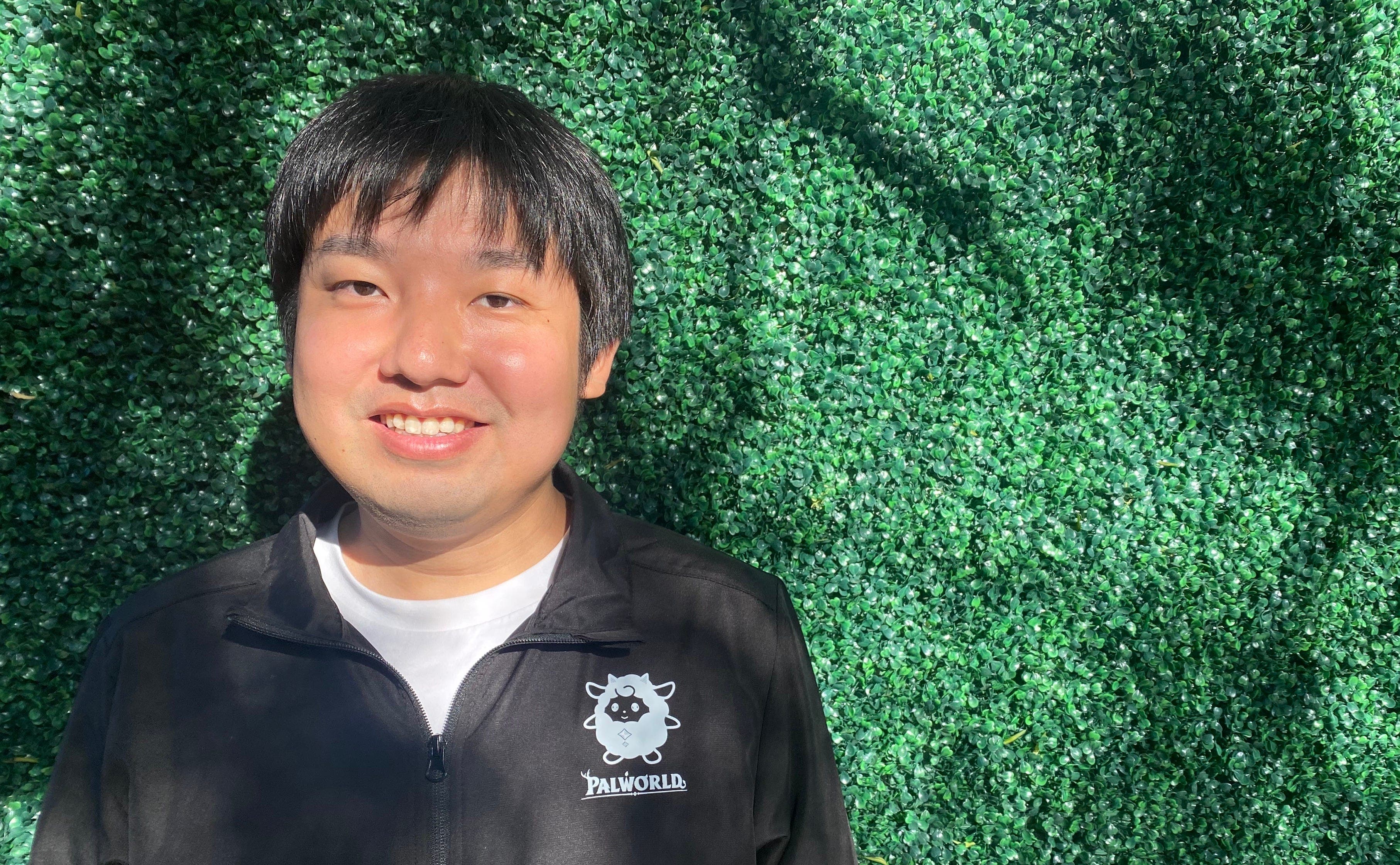
In a 2024 Game File interview he was explicit: “Of course I love Pokémon and respect it. I grew up with it, in my generation.” He has also called the series a “great predecessor” of the monster-collecting genre while distinguishing Palworld’s mechanics as closer to ARK. In the October 2026 VGC interview he reiterated a lifelong love of games and described Switch 2 as “a really amazing platform… especially here in Japan and for the Japanese games industry,” adding that if there is ever an opportunity to discuss bringing Palworld to the Switch platform, “we’d love to have those conversations.”
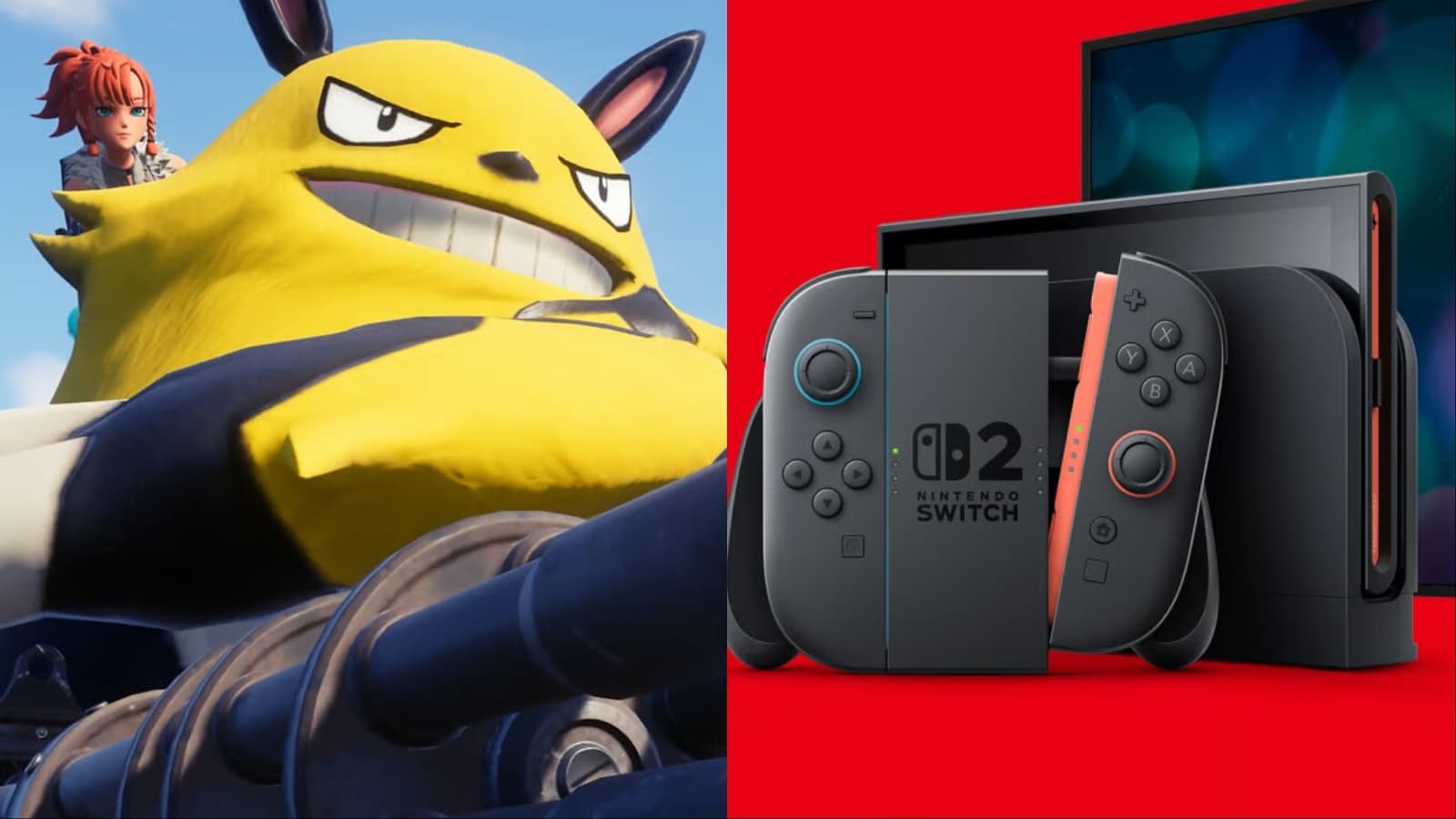
These statements come while Nintendo and The Pokémon Company continue their patent lawsuit against Pocketpair (filed 2024, later narrowed to focus on older versions after Pocketpair patched contested mechanics such as ball-throw summoning and Pal-based gliding). Pocketpair has already released Overdungeon on Switch. The combination—founder who trained in Nintendo’s own program, repeated public respect for Pokémon, and an open posture toward Switch 2—creates optics pressure. Continued hard-line enforcement or platform refusal can more easily be framed as protective and anticompetitive rather than pure IP defense, especially against a Japanese studio whose CEO came through Nintendo’s training pipeline and has already made design compromises.
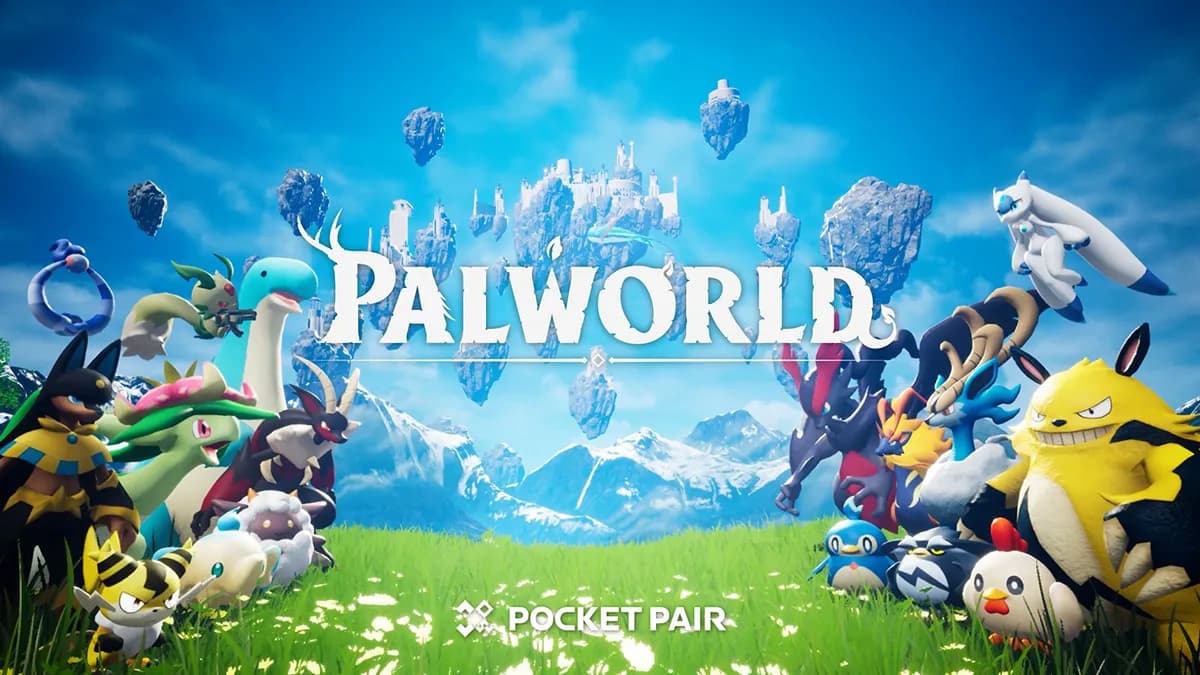
The expansion of the IP outside the game sharpens the same dynamic. In July 2024 Pocketpair formed Palworld Entertainment as a joint venture with Sony Music Entertainment Japan and Aniplex. The new company, led by Mizobe, handles global licensing and merchandising for the Palworld IP. Early efforts included merchandise debuts; the structure is designed to grow the brand beyond the video game itself.
The trading-card side has been the clearest commercial success so far. Bushiroad’s Palworld Official Card Game launched worldwide on 30 July 2026 in Japanese, English, and Simplified Chinese with the first set, Dawn of Palpagos, plus trial decks. Pre-launch orders already hit 3.5 million packs; the set later reached 4.4 million packs sold. Cumulative shipments for the first two booster sets (Dawn of Palpagos and Legends Awaken) are projected to exceed 11 million packs by early November 2026. Roughly 65% of sales have come from the US. Demand has been high enough that Bushiroad publicly apologized for stock shortages and took anti-scalping measures; secondary-market prices for rare cards quickly reached four figures.
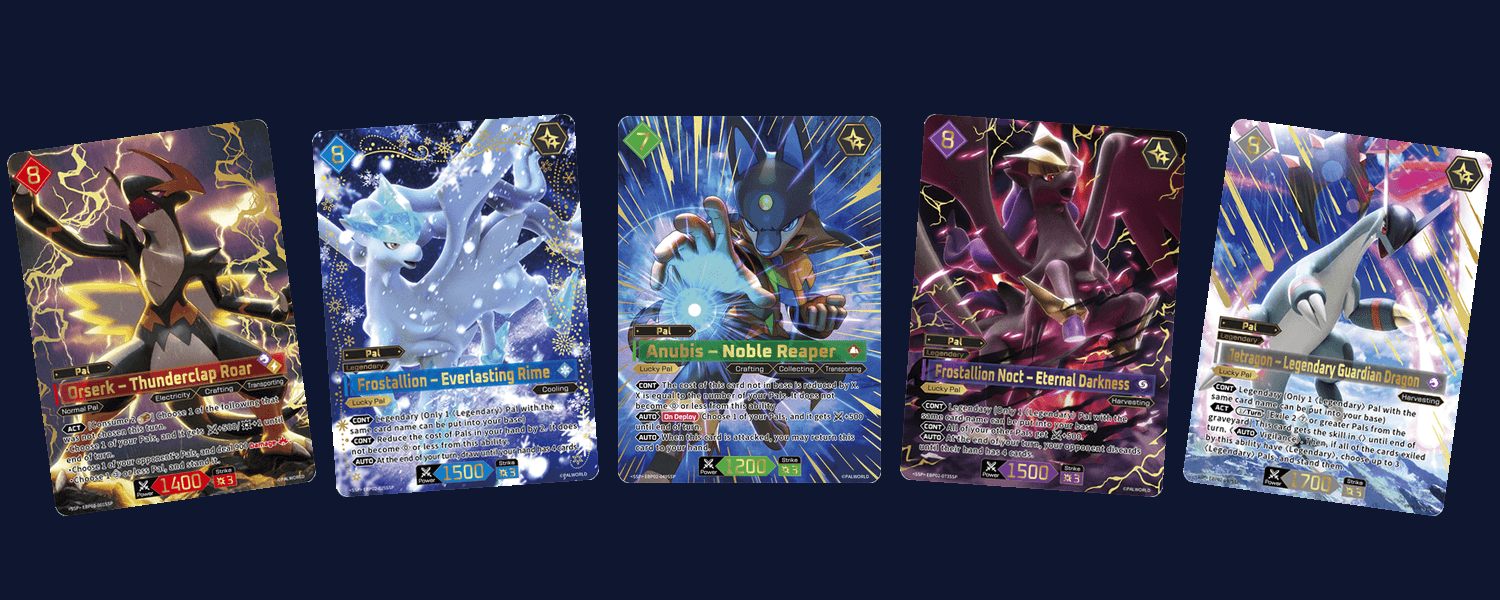
This success has reportedly created friction in distribution channels. Multiple industry contacts have described The Pokémon Company treating the presence of Palworld cards as a deal-breaker for continuing or expanding distribution relationships with certain partners—effectively pressuring distributors to choose between the two lines. Public reporting has not independently confirmed specific contract language or formal exclusivity demands, so the claim remains industry anecdote rather than documented corporate policy. If accurate, however, it fits the broader pattern of aggressive IP positioning that has characterized Nintendo/The Pokémon Company’s response to Palworld since launch: patent litigation focused on mechanics rather than creature designs, public statements about investigating IP issues, and now potential leverage over retail and wholesale channels for a competing physical product.
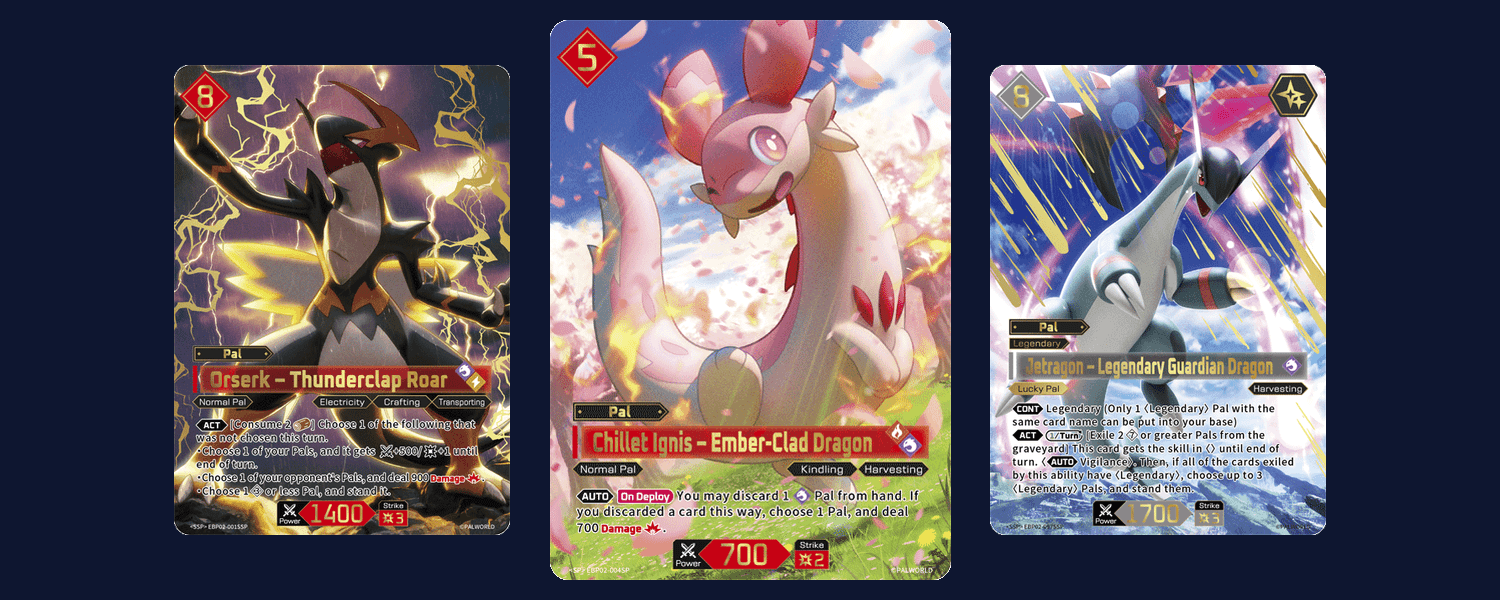
Taken together, the public record shows a studio whose founder trained under Nintendo, has repeatedly expressed fondness for Pokémon, has already adjusted the live game in response to the lawsuit, is expanding the IP through a Sony-backed merchandising company, and has delivered a commercial hit in the TCG space. The Switch 2 comments and the continued growth of the physical product line raise the visibility of any further restrictive moves. Whether deliberate “4D chess” or simply consistent openness, the posture makes protective or exclusionary responses harder to present as neutral IP enforcement and easier to read as competitive containment.
Sources
- Pocketpair company profile
- Game File: Takuro Mizobe interview
- Game File: Nintendo and Pokémon lawsuit coverage
- Game Informer: Creature Feature, the story of Palworld
- Nintendo Game Seminar 2010 project page
- Denfaminicogamer: Mizobe interview (2019)
- AUTOMATON: Mizobe interview (Jan 2024)
- VGC: Pocketpair would love Switch 2 conversations
- VGC: Pocketpair CEO interview
- Gematsu: Overdungeon on Switch
- Sony Music Entertainment Japan: Palworld Entertainment press release
- Palworld Entertainment: About
- Palworld Official Card Game: 4.4 million packs
- Palworld Official Card Game: 11 million packs
- Bushiroad: Kidani column
- AUTOMATON: Palworld TCG apology and sellouts
- Dexerto: Palworld TCG stock shortage
- Polygon: Palworld TCG card prices
Chris from Palworld Center